Sweet Potato Magic: From Street Food to Superfood
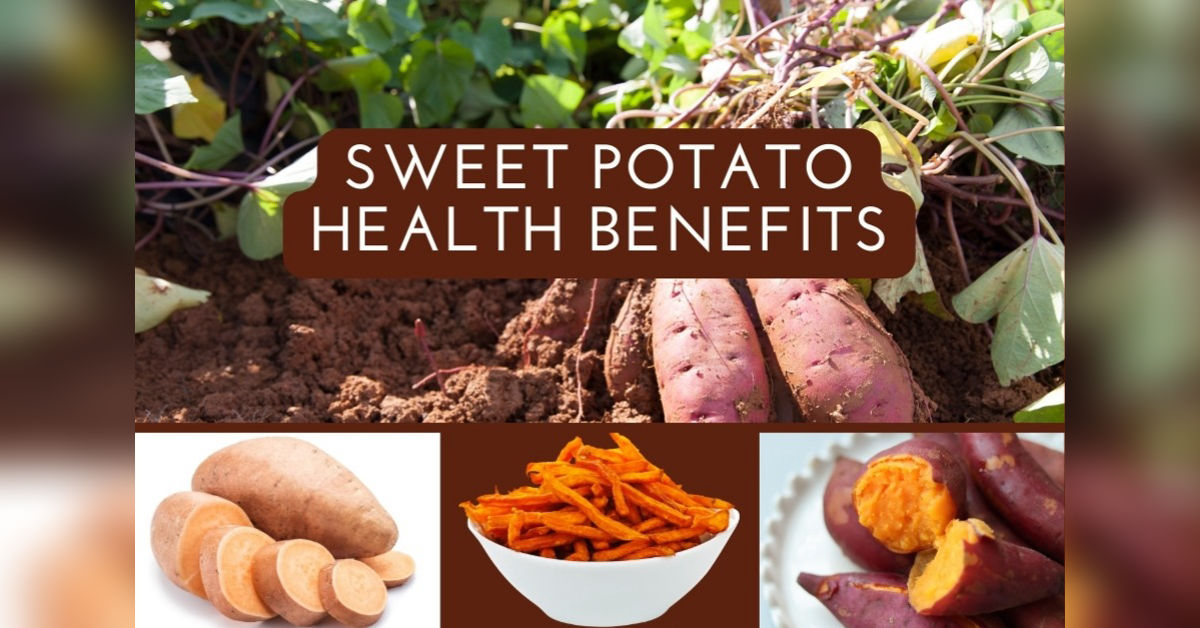
Sweet potatoes might not win any beauty contests in your kitchen, but don’t let their rough, dusty skin fool you. Beneath that humble exterior lies a nutritional jackpot, one that can outshine even the fanciest “superfoods” you see trending nowadays. They bring a naturally sweet, earthy flavour to your plate, and a bundle of health benefits your regular potato can only dream of. And here’s the fun part, our grandmothers were ahead of the curve, roasting and boiling these roots long before modern nutritionists started hyping them up as the next big thing in healthy eating.
It’s time to peel back the layers and see what makes it special.
Sweet potato (Ipomoea batatas) is a widely cultivated root vegetable in India, cherished for its taste, affordability, and nutritional benefits. Beyond its culinary versatility, sweet potato is celebrated for a range of medicinal properties, most notably its anticancer potential, supported by scientific research from global and Indian sources.
The Hidden Nutrient Powerhouse
Sweet potato is an excellent source of carbohydrates, fiber, vitamin A (as beta-carotene), vitamin C, potassium, and a variety of phytonutrients, including polyphenols, anthocyanins (especially in the purple variety), and flavonoids. The leaves are also edible and packed with antioxidants. These compounds collectively contribute to its recognized health benefits, improving immune function, reducing oxidative stress, supporting cardiovascular health, and crucially, suppressing cancer cell growth.
What makes them special for Indians? Unlike exotic superfoods that come with a hefty price tag, sweet potatoes are local, seasonal, and pocket-friendly.
Key Medicinal Properties
-
Anticancer effects: Studies demonstrate that extracts and bioactive compounds in sweet potato, such as anthocyanins, polyphenols, and specific proteins, can inhibit the proliferation, migration, and invasion of various human cancer cell lines, including colon, breast, and gastric cancer cells.
-
Antioxidant activity: Carotenoids and anthocyanins help scavenge free radicals, reducing DNA damage that leads to cancer.
-
Anti-inflammatory action: Sweet potato constituents downregulate pro-inflammatory cytokines, contributing to cancer prevention and overall health.
-
Antidiabetic and cardiovascular protection: Sweet potato supports blood sugar control and heart health, making it especially relevant for Indian diets with high diabetes prevalence.
Mechanisms of Anticancer Action
The anticancer potential of sweet potato stems primarily from its rich bioactive profile:
-
Anthocyanins (especially in purple sweet potato): These pigments induce apoptosis (programmed death) in cancer cells and inhibit tumor cell growth via both intrinsic and extrinsic pathways. In lab studies, anthocyanin extracts from steamed purple sweet potato suppressed the growth of breast, gastric, and colon cancer cell lines, and triggered apoptosis without harming normal cells.
-
Polyphenols and Chlorogenic Acid: Sweet potato leaves and roots are abundant in polyphenols such as caffeoylquinic acid derivatives and chlorogenic acid, which are linked to decreased cell viability and increased cancer cell apoptosis in colon cancer models. These compounds also reduce metastasis and cell migration.
-
Sweet Potato Protein (SPP): Specific proteins, like serine protease inhibitors isolated from sweet potato, have demonstrated the ability to inhibit the growth, migration, and invasion of cancer cells, particularly in colorectal cancer models. Both oral and injectable forms showed efficacy in animal models.
-
Antioxidant Defense: The overall antioxidant capacity of sweet potato, due to beta-carotene, vitamin C, and other phytonutrients, helps neutralize free radicals, thus reducing mutation-induced cancer risk.
The Fibre Advantage You Didn’t Expect
We all know fibre is good for digestion, but sweet potatoes offer a unique kind called soluble fibre, which slows down digestion and keeps you full for longer. This is particularly helpful for those trying to control mid-meal cravings or manage weight.
A Friend to Your Gut
Here’s something most people don’t know, sweet potatoes are rich in prebiotics. These feed the good bacteria in your gut, improving digestion and boosting immunity. A healthy gut often means fewer digestive issues, better mood, and improved nutrient absorption.
Great for Heart and Brain Health
Potassium in sweet potatoes helps balance sodium levels in your body, keeping your blood pressure in check. The antioxidants protect your cells from damage, while certain compounds may even improve memory and cognitive function. Some studies suggest that purple sweet potatoes, in particular, have brain-boosting benefits thanks to their high anthocyanin content.
The Versatile Desi Kitchen Hero
One of the best things about sweet potatoes is their versatility in Indian cooking. You can roast them, boil them, mash them, or turn them into halwa during fasting seasons. Swap regular potato in your chaat for sweet potato, you’ll get the same satisfying bite but with far more nutrition. In winter, roasted sweet potatoes with a sprinkle of chaat masala are almost nostalgic for many of us.
Pro Tips to Get the Most Out of Them
-
Eat with the skin on – it’s packed with fibre and extra nutrients.
-
Pair with healthy fats like ghee or coconut oil to help your body absorb more vitamin A.
-
Don’t overcook – steaming or baking retains more nutrients than deep-frying.
The Bottom Line
Sweet potato is more than an affordable root crop, it is a medicinal food with tangible health-promoting and anticancer benefits, validated by both traditional practice and modern science. Regular consumption as part of the Indian diet can help lower cancer risk, improve immunity, and provide vital nutrients essential for overall well-being.
Sweet potatoes are proof that you don’t need imported foods to stay healthy. This humble root is naturally rich, easy to prepare, and kind to your wallet. Whether you’re looking to boost your immunity, improve digestion, or just snack smarter, sweet potatoes tick all the boxes.
So the next time you walk past that pile at your local market, remember, this is not just a root vegetable. It’s a desi superfood that’s been hiding in plain sight, waiting to make your diet healthier and tastier.