Millets: The Nutritional Powerhouse You Must Read About
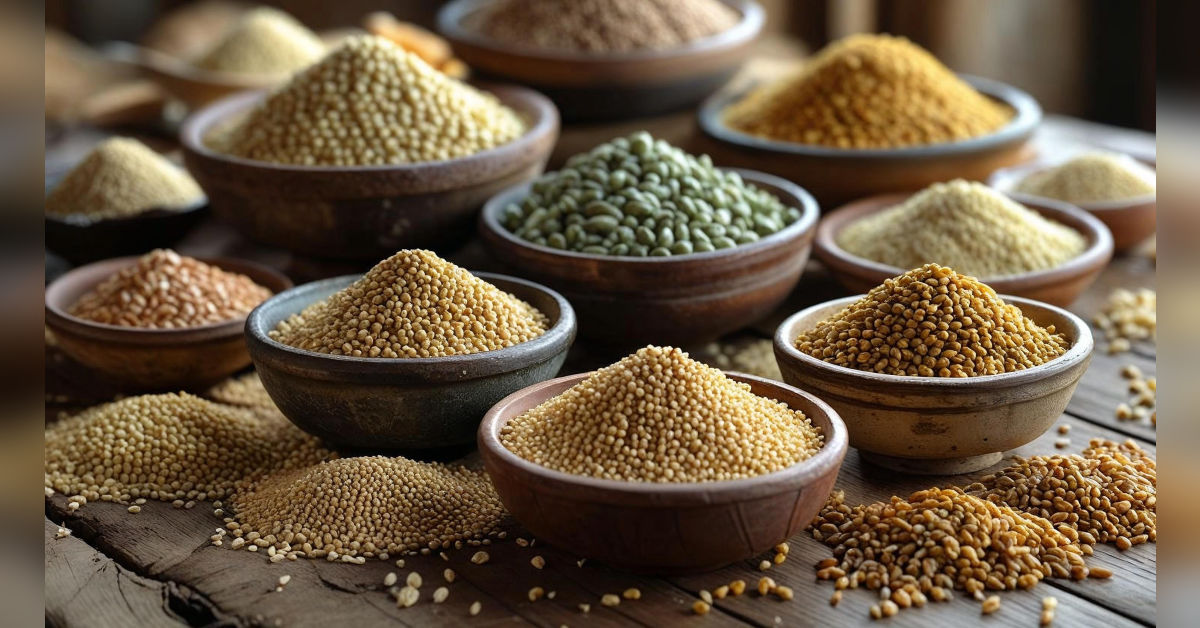
Millets have been in our fields for over 5,000 years, yet most of us only spot them today on fancy organic store shelves or in Instagram fitness reels. Millets, the humble, grain-like seeds once considered “poor man’s food”, are now being hailed as climate-friendly crops, diabetic-friendly staples, and even gourmet ingredients in five-star kitchens. But behind all this hype lies a fascinating story of survival, nutrition, and rediscovery that India is only just waking up to.
The ‘Forgotten Grains’ That Never Left Us
Before polished rice and high-yield wheat took over our plates, millets like jowar, bajra, ragi, foxtail, and kodo were everyday staples in Indian homes. Villagers ate them in rotis, porridges, and fermented dishes. Why? Because they grew effortlessly in dry, harsh conditions without chemical fertilisers or much water.
Then came the Green Revolution in the 1960s, which pushed wheat and rice production to meet food shortages. Millets quietly took a back seat, dismissed as coarse grains unsuitable for “modern” dining. For decades, they stayed hidden in rural kitchens until lifestyle diseases like diabetes and obesity started pushing people to look back at traditional diets.
A Grain That Can Outsmart Climate Change
Here’s something you probably didn’t know: millets are not just good for us, they’re good for the planet. They need 70% less water than rice, can thrive in poor soil, and are naturally resistant to pests. That means fewer pesticides, lower farming costs, and no heavy dependence on irrigation.
In an era where Indian farmers struggle with erratic monsoons and extreme heat, millets could be our best food security insurance. In fact, the United Nations declared 2023 as the International Year of Millets, largely thanks to India’s push to bring them back into mainstream diets.
The Nutrition Numbers Will Surprise You
Let’s take jowar (sorghum) as an example; 100g of it packs more protein than rice, almost three times the fibre, and significantly higher amounts of iron, calcium, and antioxidants. That’s why it’s not just a food, it’s functional nutrition.
-
Jowar: Rich in antioxidants, gluten-free, great for heart health.
-
Bajra (Pearl millet): High in iron, helps fight anaemia, keeps body warm in winters.
-
Ragi (Finger millet): Packed with calcium, excellent for bone health and growing children.
-
Foxtail millet: Low glycaemic index, ideal for diabetics.
-
Kodo millet: Rich in dietary fibre, aids digestion and weight management.
Unlike refined grains, millets release glucose slowly, keeping you full for longer and preventing sugar spikes, a blessing for India’s 100+ million diabetics.
What Makes Millets Special for Modern Lifestyles
If you’ve been trying to eat healthier, you’ve probably noticed that “healthy food” often feels like a compromise, bland taste, complicated recipes, or unrealistic prep times. Millets, on the other hand, are incredibly versatile. You can make dosas, pulaos, salads, upma, pancakes, energy bars, and even desserts out of them.
Here’s a twist you may not have heard: in some parts of Karnataka, fermented ragi balls are eaten before a day of labour-intensive farm work because they release energy gradually for 8–10 hours. That’s natural slow-release fuel without an energy drink in sight!
India’s Millet Hotspots You Should Know About
Different regions in India are millet champions in their own right:
-
Maharashtra is a leader in jowar production.
-
Rajasthan grows bajra extensively, especially in desert regions.
-
Karnataka dominates in ragi farming.
-
Andhra Pradesh & Tamil Nadu are known for foxtail and little millets.
In tribal belts, millets are still a community staple, eaten with simple chutneys or turned into thick porridges for all-day sustenance.
Why the World Is Suddenly Interested in Our Grains
From California to Copenhagen, chefs are experimenting with millet risottos, salads, and even millet-based beer. The West is calling them “ancient grains”, exotic, nutritious, and sustainable. Ironically, these are the same grains many urban Indians once dismissed as “rustic” or “outdated.”
Export demand for millets from India has grown steadily, with jowar, bajra, and ragi leading the charge. This isn’t just about food trends, it’s a billion-dollar opportunity for Indian farmers if demand continues.
The Hidden Health Benefits
Most articles will tell you millets are rich in fibre and good for weight loss. But here’s what’s less talked about:
-
Natural detox: Some millets contain compounds that help bind and flush out toxins from the body.
-
Gut-friendly: Their prebiotic fibre supports healthy gut bacteria.
-
Allergy-safe: Gluten-free millets are a boon for people with celiac disease or wheat allergies.
-
Adaptogenic properties: Certain varieties help the body adapt to physical stress, a reason why farmers relied on them during intense labour seasons.
From Village Fields to Urban Plates
The revival of millets is not just a nutrition story, it’s cultural. Brands are now offering ready-to-cook millet noodles, cookies, breakfast mixes, and snacks, making them more accessible to busy urban families. State governments are adding millet dishes to mid-day meal schemes for schoolchildren.
At the same time, rural entrepreneurs are setting up small-scale millet processing units, ensuring farmers get better prices without middlemen taking the lion’s share.
How to Start Your Millet Journey
If you’re new to millets, don’t jump into eating them at every meal. Your digestive system may need a week or two to adjust to the high fibre. Start with one millet-based meal a day, maybe a jowar roti with sabzi, or a warm ragi porridge for breakfast. Gradually, you can explore combinations like bajra khichdi, foxtail millet upma, or kodo millet pulao.
The trick is to treat them as part of your daily grain rotation, not just a “health challenge” you take up for a month.
Bottom line: Millets aren’t making a comeback, they’ve been here all along, waiting for us to notice. In a world battling lifestyle diseases and climate change, they’re more than just food; they’re a quiet revolution growing in our own soil. And if we embrace them fully, we won’t just be eating healthier, we’ll be building a food future that’s sustainable, affordable, and proudly Indian.