The Sweet Trap: Are You Eating Too Much Sugar?
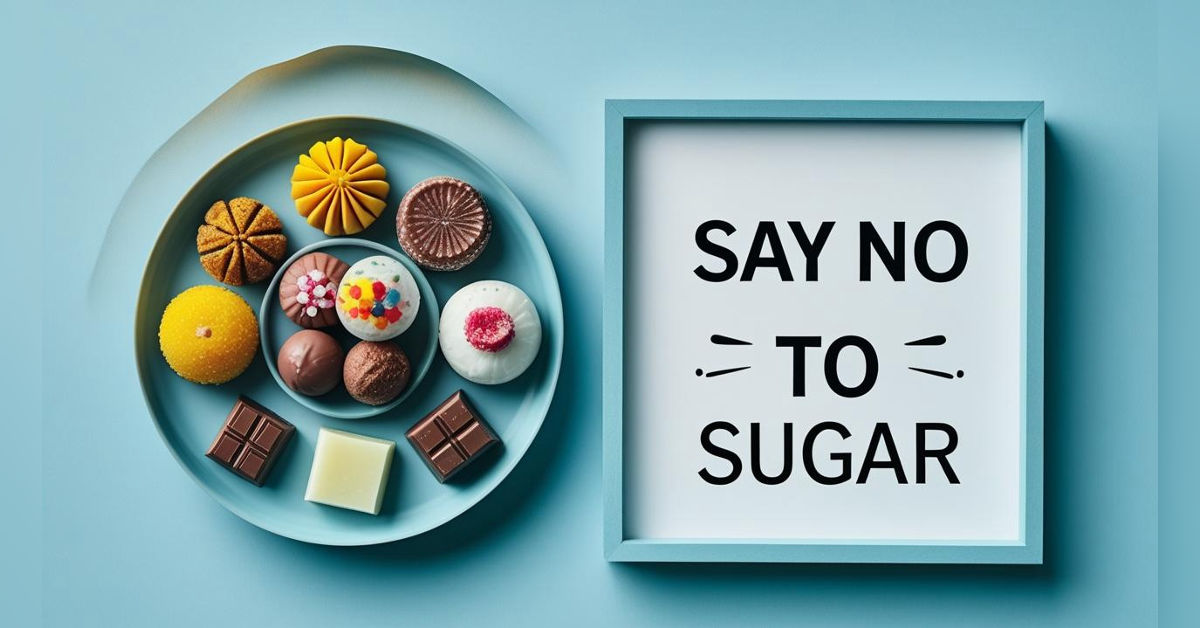
Once the darling of our taste buds, Sugar is now the talk of health circles, accused of causing more harm than we ever imagined. These days, conversations about wellness almost always circle back to this sweet culprit, from social media health trends to your family doctor’s advice. But what exactly makes sugar so bad, and why has it suddenly become the villain in our daily diet? More importantly, could it be hiding in foods we think are healthy?
Let’s explore in detail and uncover the reality behind this everyday ingredient.
Why Sugar Is More Dangerous Than You Think
When you eat sugar, your body quickly breaks it down into glucose, spiking your blood sugar levels. This triggers your pancreas to release insulin. Over time, too much sugar can lead to insulin resistance, which is the first step towards type 2 diabetes. But that’s not all:
-
Heart Health: Excess sugar raises triglycerides and lowers good cholesterol, increasing heart disease risk.
-
Skin Problems: High sugar intake speeds up ageing and causes breakouts.
-
Liver Damage: High intake of added sugar, especially fructose and sweetened beverages can lead to non-alcoholic fatty liver disease, yes, even if you never drink alcohol.
-
Addiction-Like Cravings: Sugar releases dopamine, the “feel-good” hormone, making you crave it more, just like a drug.
The Hidden Sugar in Everyday Foods
You might think you’re safe if you avoid sweets, but sugar often hides in plain sight, such as in:
-
Packaged fruit juices
-
Breakfast cereals
-
Bread and buns
-
Sauces and ketchups
-
“Low-fat” flavoured yogurts
-
Sports drinks and flavoured water
Even that “healthy” granola bar might have as much sugar as a gulab jamun..
How Much Is Too Much?
The WHO recommends that added sugars make up less than 10% of your total daily energy intake, which works out to about 25–50 grams (6–12 teaspoons) for most adults. However, urban Indian diets often exceed this, especially when you factor in restaurant meals, sweetened beverages, and packaged snacks.
What Happens When You Cut Down on Sugar
The first few days can feel rough; headaches, mood swings, and intense cravings are common as your body adjusts. But stick with it, and the benefits are worth the struggle:
-
More Energy: No more sugar crashes after meals.
-
Better Skin: Reduced breakouts and a natural glow.
-
Improved Mood: Stable energy means fewer mood swings.
-
Weight Loss: Cutting sugar reduces hidden calories.
-
Better Sleep: High sugar disrupts your natural sleep cycle.
Over time, you’ll also reduce your risk of diabetes, heart disease, and early ageing.
How to Actually Cut Back Without Feeling Deprived
-
Read Labels: Check for hidden sugars like corn syrup, maltose, dextrose, and fructose.
-
Switch to Whole Foods: Fresh fruits, vegetables, pulses, and whole grains keep you full and provide natural sweetness.
-
Choose Natural Alternatives: Use dates as a sweetener in your diet. Eat dry fruits and fresh fruits as a natural source of sugar.
-
Cut Back Gradually: Reducing sugar suddenly can cause cravings; slow changes are more sustainable.
-
Rethink Beverages: Replace sweetened tea, coffee, carbonated drinks, sodas with herbal tea, lemon water, or black coffee.
The Challenge – Festivals and Family Pressure
Our culture celebrates sweetness, quite literally. Saying no to sweets during Diwali or a wedding can feel like rejecting love itself. The trick? Be polite but firm. Take a tiny portion, savour it, and avoid refills. Remember, health is a long game, not a one-time choice.
Takeaway
Sugar may make life sweeter in the moment, but its long-term effects are anything but pleasant. With awareness and small changes, you can enjoy food without risking your health. The key is not complete elimination, but smart, mindful consumption that puts you, not sugar, in control.