Tulsi Magic: The Monsoon Immunity Hero Sitting in Your Balcony

As the rains pour across India, bringing in joy, relief, and a bit of chaos, there’s one green warrior quietly doing its job: Tulsi, or Holy Basil. Found in countless Indian homes, often right at the doorstep or balcony, this sacred herb is not just about prayers or traditions. Especially during the monsoon season, Tulsi turns into a natural health protector, boosting immunity, fighting infections, and even cleansing the air around you. But how much do we actually know about this powerhouse plant?

Let’s explore the magic of Tulsi, its scientific backing, its religious importance, and why it deserves a permanent place in your daily life, especially right now.

Why Tulsi Is a Must-Have During Monsoon

The monsoon is beautiful, no doubt, but it also brings with it viral infections, cold, cough, humidity-triggered skin issues, waterborne diseases, and low immunity. Here’s why Tulsi becomes your best friend during this season:

  • Fights respiratory infections triggered by damp weather

  • Boosts immunity naturally, without any side effects

  • Prevents fungal infections common in humid conditions

  • Acts as a natural air purifier in closed, moist environments

  • Keeps your digestion in check, avoiding seasonal stomach troubles

A simple Tulsi tea or kadha every morning can help your body stay strong and protected all through the rainy season.

What Makes Tulsi So Powerful?

Scientifically called Ocimum sanctum, Tulsi is loaded with natural bioactive compounds.
Here’s what each of these does:

  • Eugenol – Natural antiseptic and pain reliever

  • Ursolic acid – Anti-fertility effect

  • Rosmarinic acid – Antioxidant and antimicrobial

  • Caryophyllene – Great for stress relief and immune support

Together, they make Tulsi a complete health booster, particularly relevant when our bodies are vulnerable during seasonal changes.

Monsoon Immunity: Tulsi to the Rescue

During monsoon, our body’s immune response slows down. Cold food, damp clothes, and fluctuating temperatures weaken our defence mechanism. That’s when Tulsi steps in like a silent warrior:

  • Builds your resistance to flu, cold, and viral fever

  • Reduces stress levels, which otherwise lower immunity

  • Balances internal temperature and detoxifies the body

  • Helps produce more natural killer cells that fight infections

Pro Tip: Make Tulsi tea with a pinch of black pepper and honey, it’s a seasonal immunity shot you’ll love!


Tired of That Constant Cold? Tulsi Clears It Up

One of Tulsi’s most popular uses is to treat cold and respiratory infections, which are rampant during this season. It:

  • Clears nasal congestion

  • Reduces inflammation in the throat and lungs

  • Helps relieve bronchitis, sinusitis, and mild asthma symptoms

  • Acts as a mild antibiotic, minus any side effects

You can even chew 4-5 raw Tulsi leaves every morning with lukewarm water to stay protected all day.

Tulsi Also Calms the Mind; Perfect for Cloudy Moods

Not just your body, monsoon also affects your mood and energy. Less sunlight, gloomy skies, and wet environments can lead to fatigue and low spirits. Tulsi, being an adaptogen, helps your mind adapt to stress:

  • Calms the nervous system

  • Helps improve sleep quality

  • Boosts concentration and mental clarity

Add Tulsi tea to your evening routine, you’ll sleep better, think clearer, and feel lighter.

Skin & Hair During Monsoon? Tulsi Has You Covered

Monsoon means oily skin, hair fall, dandruff, and fungal infections. Tulsi is a natural antifungal and antibacterial solution:

  • Mix Tulsi paste with sandalwood for acne-prone skin

  • Use Tulsi water as a toner to soothe itchy skin

  • Add Tulsi juice to hair oil to reduce dandruff

  • Tulsi-infused steam helps open up pores and detox skin

Your skin needs detox just like your body, especially when it’s humid outside.

Easy Ways to Include Tulsi in Your Rainy Day Routine

You don’t need fancy products. Here’s how to bring Tulsi into your daily life:

  • Tulsi Kadha: Boil Tulsi, ginger, clove, and cinnamon – sip it warm after meals

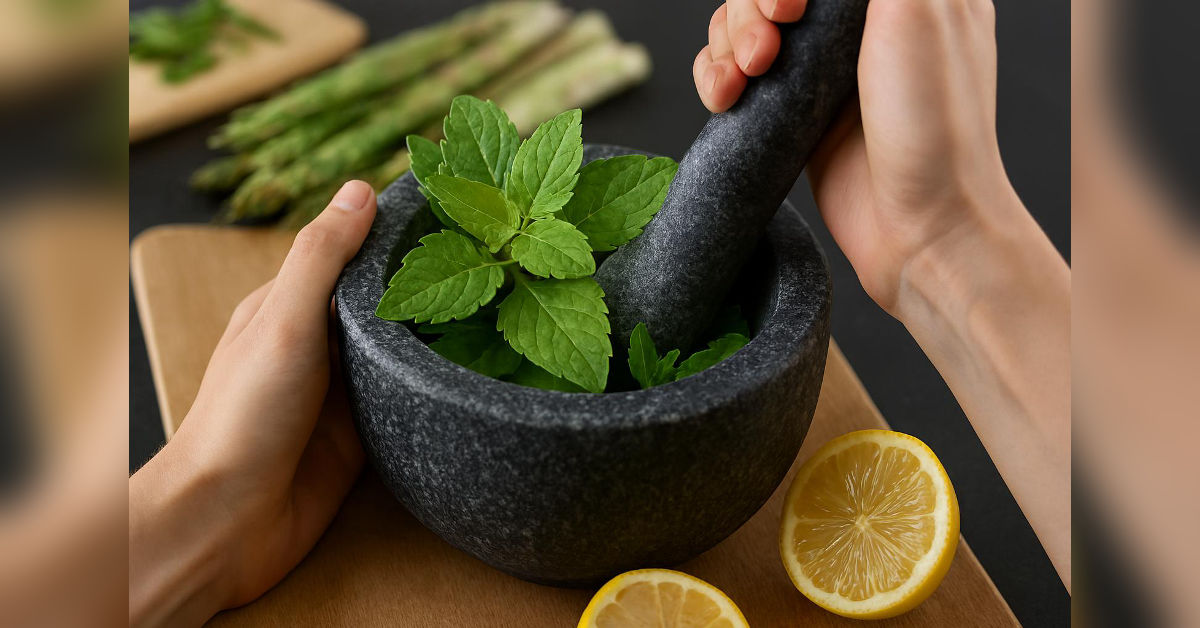
  • Tulsi Tea: Add a few leaves to boiling water with lemon and honey

  • Face Steam: Add Tulsi leaves to boiling water and take steam for glowing skin

  • Home Diffuser: Crush Tulsi leaves and mix in water for natural room freshness

Also, just placing a Tulsi plant near a window can improve air quality during damp monsoon days.

Tulsi in Our Culture – More Than a Ritual

Every Indian home has seen a grandmother praying to Tulsi, and for good reason. In Hindu beliefs, Tulsi is considered the consort of Lord Vishnu and a symbol of purity and prosperity. But these rituals also had practical meaning:

  • Watering Tulsi daily = contact with soil and grounding energy

  • Lighting diya near Tulsi = keeps mosquitoes and bacteria away

  • Circumambulating the plant = improves mental focus and emotional calmness

So yes, our traditions were deeply connected to daily wellness, even if we didn’t realize it.

A Final Leaf of Wisdom

Whether you’re in a busy metro or a quiet village, the monsoon makes us vulnerable, physically and mentally. But nature, in its wisdom, has already given us solutions. Tulsi is not just a plant, it’s a shield, a healer, and a mood-lifter, especially during the rainy season.

So this monsoon, don’t just protect your windows from rain, protect your body from within. Start your mornings with Tulsi, and let this green guardian do what it does best: keep you healthy, calm, and glowing.

Similar Posts

Leave a Reply

Your email address will not be published. Required fields are marked *