
India’s Blood Moon Night: Secrets of the Lunar Eclipse!
On the night of September 7-8, 2025, India watched with awe as the sky turned into a cosmic theatre for the rare total lunar eclipse, a spectacle that turned the full moon a deep, haunting red. For many, it was a once-in-a-years event; for others, it was an opportunity to rediscover the Moon’s secrets and reconnect with centuries of cultural traditions. But beyond the viral photos and rooftop watch parties, did you know there’s much more to a lunar eclipse than meets the eye? Here’s everything you didn’t know about 2025’s Blood Moon, as per NASA, Time and Date, Britannica, and more.
India’s Blood Moon Night: Secrets You Didn’t Know About the Lunar Eclipse!
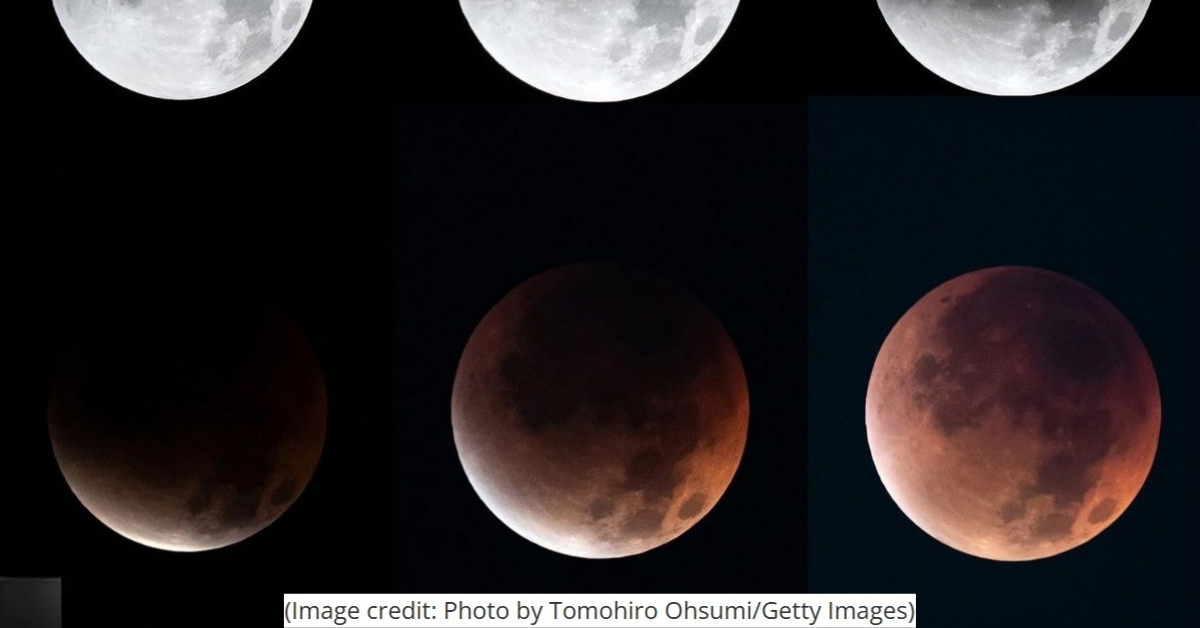
As millions across India looked up, the familiar glowing Moon slowly slid into the Earth’s dark shadow. Instead of going black, it lit up in an eerie shade of red, a “Blood Moon” in all its glory. But how does this really happen?
The True Science Behind the Blood Moon
When the Sun, Earth, and Moon align perfectly, the Earth blocks sunlight from falling directly on the Moon. But here’s the twist: the only sunlight reaching the Moon during totality has to pass through Earth’s atmosphere. Our air scatters away blue and green light while bending red rays around the edges of our planet. This is what bathes the Moon in red, a process called Rayleigh scattering, the very same effect that turns Indian sunsets fiery and orange.
The September 2025 Eclipse: Numbers and Nifty Details
-
The eclipse was visible across all of India from start to finish, with totality (the deepest, bloodiest red phase) lasting around 1 hour 22 minutes, one of the longest in recent years.
-
According to NASA and Time and Date, the event started with a partial shadow around 7:04 PM IST and reached its brightest crimson around 10:30 PM IST.
-
The best part? No telescopes or special glasses needed; this is one of those few space events safe to enjoy with just your eyes (and maybe your phone camera).
-
In some Indian regions, the spectacle coincided with important traditions and festivals, transforming the experience into a moment for reflection and community gatherings.
Fascinating Facts That Most Don’t Know
-
The deep red Moon isn’t always the same shade. Dust, air pollution, and even volcanic eruptions on Earth can make each Blood Moon appear slightly different.
-
Scientists and astronomers use these events not just for pretty pictures, but to study the Moon’s surface temperatures. Using specialized sensors, they track how quickly parts of the Moon cool off during the eclipse, revealing hidden differences in lunar soil and structure.
-
NASA’s eclipse charts show that the next similar event visible across India won’t return until March 2026.
- Some famous lunar eclipses helped scientists pinpoint the position of mysterious radio sources in space, leading to the discovery of quasars.
Astrology, Rituals, and Community
The lunar eclipse and its red hue often inspire both wonder and a flurry of activity in India’s cultural landscape. Many followed traditional dos and don’ts, like not eating, offering pujas, or meditating. At the same time, science centres across India hosted viewing parties, expert talks, and interactive sessions for students and families.
What’s Next? Mark Your Calendar
Missed this celestial treat? Don’t worry, sky watchers have something to look forward to. The next total lunar eclipse visible from India is scheduled for March 3–4, 2026. And the “Blood Moon” makes an encore on December 31, 2028, setting the stage for a dramatic end-of-year celestial spectacle.
(Sources: https://www.timeanddate.com/eclipse/lunar/2025-september-7, https://www.britannica.com/science/lunar-eclipse, https://www.space.com/stargazing/lunar-eclipses/blood-moon-1st-pictures-september-7-2025-total-lunar-eclipse)