
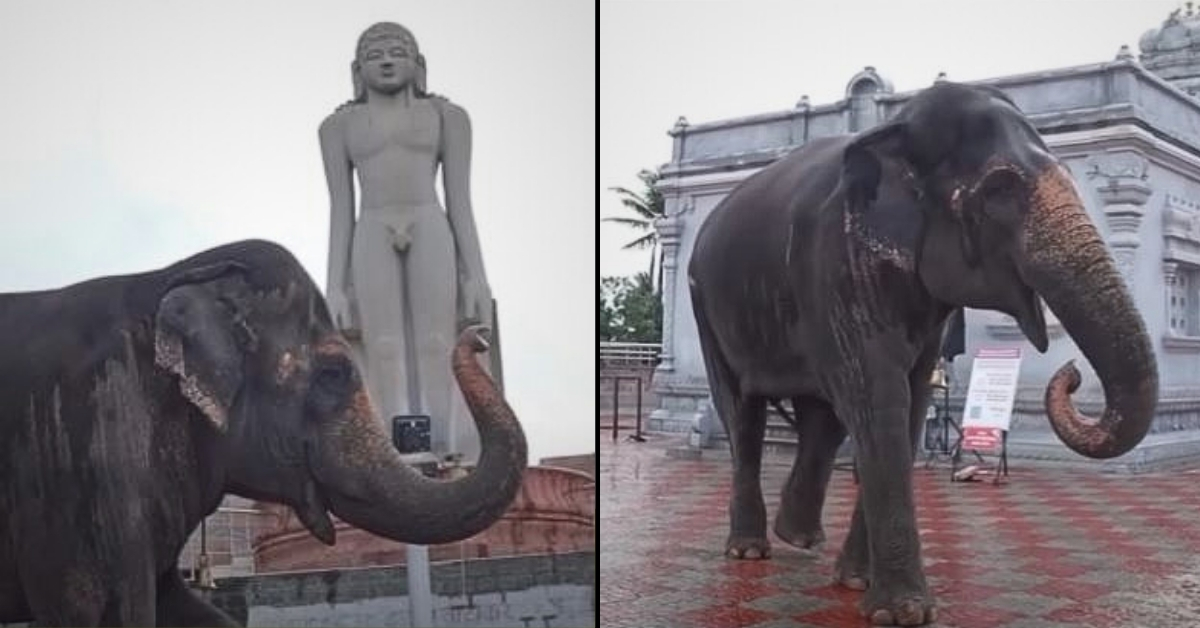
Madhuri the Elephant Relocated to Vantara: Emotions Run High in Kolhapur
In the heart of a heated national debate over animal rights, one name keeps making headlines: Madhuri, the 40-year-old elephant caught in a tug-of-war between two states. After years of performing in captivity, Madhuri’s story has now taken a hopeful turn at Vantara. With media attention growing and public interest peaking, her transfer to this new facility has raised big questions.
Here’s everything you need to know about this ongoing saga and what it means for animal welfare in India.
What Happened
Elephant Madhuri, also known as Mahadevi, has been relocated from the Nandani Jain mutt in Kolhapur to Vantara, the animal rehabilitation centre in Jamnagar, Gujarat, following a Supreme Court ruling on July 28. The court upheld a Bombay High Court order (July 16) directing the move, citing Madhuri’s deteriorating health and long‑standing welfare violations.
Despite judicial clearance, the transfer sparked strong backlash: villagers, activists, and political leaders in Kolhapur see it as a cultural and emotional breach.
Health & Welfare Concerns That Sparked the Order
Investigations by PETA India in 2022 revealed Madhuri was suffering from arthritis, foot rot, overgrown toenails, psychological distress, and signs of prolonged isolation. She had also been repeatedly used in processions, beggar rides, and religious events, often without proper legal permissions.
A High Powered Committee (HPC) under the Environment Ministry inspected her and recommended relocation to a facility that could provide intensive medical care, rehabilitation, and social environment, leading to the courts naming Vantara’s Radhe Krishna Temple Elephant Welfare Trust as Madhuri’s new home .
Kolhapur’s Massive Silent March: 45 km of Protest
On August 3, over 7,000 people, led by former MP Raju Shetty, began a 45-km silent march from Nandani to the Kolhapur Collector’s office. Participants carried elephant statues and slogans urging the return of Madhuri.
They submitted 2,04,421 signed petitions addressed to President Draupadi Murmu, demanding Madhuri’s reinstatement.
Protest chants included: “Anant Ambani se bolo, Mahadevi ko wapas lao!”, directly challenging Reliance Foundation and its association with Vantara .
Political Response
CM Devendra Fadnavis confirmed an urgent meeting with Kolhapur’s MLAs and MPs to explore legal options, though he reiterated that the relocation followed a court mandate.
MP Dhairyasheel Mane proposed setting up a high‑powered committee, possibly to file a review petition in the Supreme Court, or to explore establishing a Vantara-style facility in Kolhapur so Madhuri might return under improved conditions .
Former MP Raju Shetty called the petitioners’ action a “conspiracy” and demanded an investigation into what he alleged was misleading medical information used in courts .
Meanwhile, Vantara issued a public statement clarifying it did not request or initiate the transfer. The sanctuary acted strictly on a court order and affirmed its commitment to Madhuri’s welfare in compliance with legal directions.
A New Start at Vantara
Now under care at Vantara’s Radhe Krishna Temple Elephant Welfare Trust, Madhuri has access to:
- Chain‑free enclosures and open space
- Hydrotherapy pools for joint relief
- Continuous veterinary care and emotional rehabilitation
- Opportunity to socialize with other rescued elephants
The facility has been built as per the High Powered Committee’s recommendations. It offers Madhuri a more humane environment, something she hasn’t experienced in decades.
Final Glimpse
This is more than an elephant’s relocation, it’s a turning point in India’s animal welfare discourse. The reverence felt in Kolhapur is genuine and tied to centuries of tradition. However, the judiciary and scientific assessments have clearly prioritised Madhuri’s health over ritual.
Whether she stays in Gujarat or returns to Maharashtra, one thing is clear, Madhuri needs a healthier environment. Her story reminds us that compassion sometimes means letting go. And that legal processes must carefully balance culture, ethics, and justice.