Shibu Soren: The Man Who Changed Jharkhand’s Destiny…
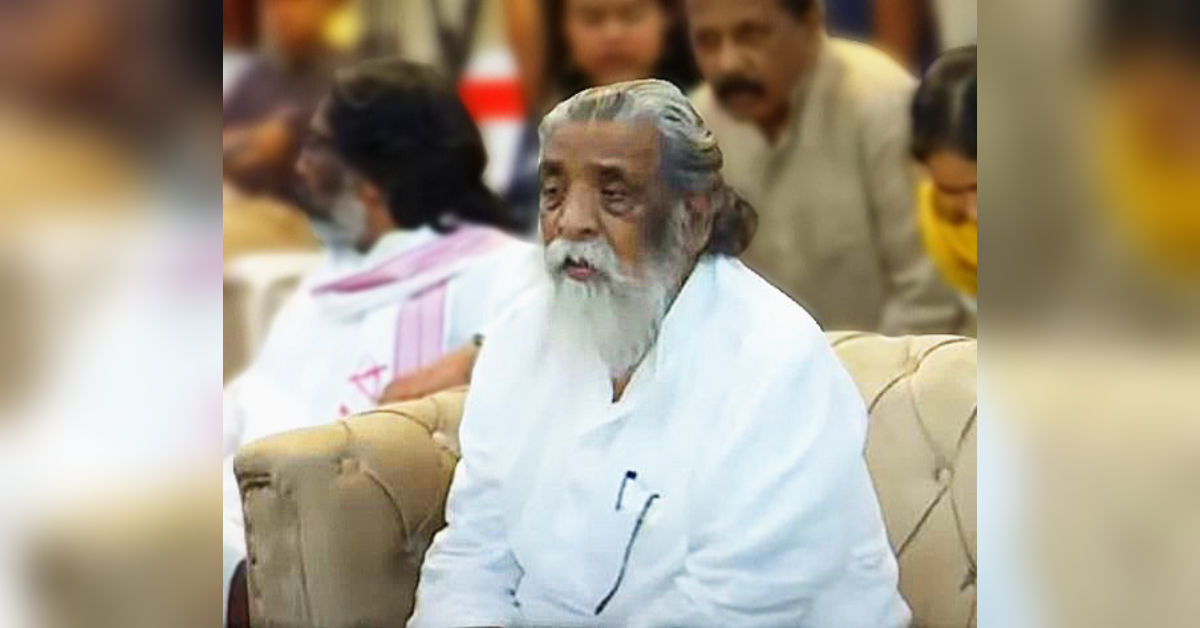
Shibu Soren wasn’t just a politician; he was a movement. Known fondly as “Guruji”, he dedicated his life to uplifting tribal voices and shaping the identity of Jharkhand. His recent passing marks the end of a powerful era, but his legacy continues to inspire generations. From grassroots struggles to Parliament, Soren’s journey is a story of grit, courage, and unmatched commitment to his people.
Roots & Rising: How It All Began
Born on 11 January 1944 in Nemra village, then part of Bihar (now Jharkhand), Shibu Soren grew up in the Santhal tribal community. He faced hardship early in life, his father was reportedly killed when Shibu was just 15, a tragic fate that sparked his resolve to fight for tribal rights.
At 18, he co-founded the Santhal Navyuvak Sangh, a student movement aimed at mobilising Adivasi youth. By 1972, alongside leaders Binod Bihari Mahato and A. K. Roy, he launched the revolutionary Jharkhand Mukti Morcha (JMM), a party destined to fuel the long march toward Jharkhand’s statehood.
The Movement & Legacy of JMM
Shibu’s leadership centred on two pillars:
-
Land rights: He addressed the exploitation of tribal farmers by moneylenders and landlords. His leadership in the Dhan Kati movement was pivotal in pushing Bihar to regulate the oppressive traditional mahajani practices.
-
Statehood demand: Shibu emerged as the political face of the Jharkhand statehood movement, which finally achieved success in 2000, when Jharkhand was carved out from Bihar.
Praised as ‘Dishom Guru’, or “Great Leader”, by his community, his grassroots appeal brought millions into Jharkhand’s political movement.
Political Career Highlights
Member of Parliament
-
First entered the Lok Sabha in 1980 from Dumka, and was elected repeatedly (1989–1998, 2002–2019),a total of eight terms.
-
Later served in the Rajya Sabha, most recently until his death in August 2025.
Union Minister for Coal
-
Minister under the UPA government (2004–2006). He briefly resigned amid legal controversy but was re-inducted, reflecting his importance in coalition politics.
Jharkhand Chief Minister (3 Terms)
-
March 2005: His first stint lasted just 10 days due to failed legislature support.
-
August 2008–January 2009
-
December 2009–May 2010: Coalition instability led to shortened tenures each time.
His Influence: A Portrait of Popularity
Shibu Soren wasn’t just a politician, he was a symbol of tribal identity and grassroots courage:
-
He led JMM for nearly 38 years, before stepping aside in April 2025, becoming its founding patron.
-
The 2004 Lok Sabha elections cemented JMM’s dominance in Jharkhand—winning 13 out of 14 seats under his leadership, with 37.7% vote share.
-
Though he lost Dumka in 2019, his long-standing presence shaped Jharkhand’s political identity.
Shibu Soren passed away on 4 August 2025 at 81 years of age, at Delhi’s Sir Ganga Ram Hospital, where he had been under treatment for kidney, heart, and diabetes-related ailments. His son, Hemant Soren, who is Jharkhand CM, announced: “Respected Dishom Guruji has left us all… I feel empty”.
President Droupadi Murmu described his loss as a “big blow to social justice” in India.
His death symbolises the end of a powerful chapter in tribal-led politics in India, one driven by grassroots vision and regional pride.
Why Shibu Soren Matters
Shibu Soren’s life story connects soil-to-Parliament politics in a way few leaders ever have. His activism nurtured the idea of self-governance for tribal communities and shaped Jharkhand’s identity.
For India, he represents how identity, politics and vision intertwine:
-
A symbol of tribal assertion and dignity.
-
A founding architect of India’s Jharkhand state.
-
A leader who took bold steps, even amid legal challenges, to shape a people’s future.
His legacy lives on, through the Jharkhand Mukti Morcha, led today by his son, and through millions who see in him the power of rooted political courage.